Confidential · Prepared for Mayo Clinic · August 2026

Mayo discovers.
MADE manufactures.
Patients keep their place in line.

A proposal for MADE Scientific to operate the Mayo Clinic Discovery & Innovation GMP facility in Jacksonville — preserving on-campus manufacturing for Mayo investigators, and giving every program a governed path from first-in-human to commercial supply.

12,486
sq ft across D&I floors 2 & 3
6
ISO 7 processing rooms
~9
Mayo programs seeking a CDMO
3
site network, discovery to commercial
The Moment

Mayo is stepping out of site manufacturing. The science isn't stepping back.

We won't have site manufacturing… when they hear about it, it's going to be concerning, because they know we were right there manufacturing the product, handing the product to them.
Dr. Julie Allickson — Chief Technology Officer, Biotherapeutics, Mayo Clinic · 4 August 2026

That sentence is the whole problem, and it is a manufacturing problem before it is a commercial one. Mayo's investigators did not choose a CDMO — they chose Mayo. Their programs were built around a facility down the hall, a quality unit they know by name, and a release path they could walk. Replacing that with a vendor relationship is a real loss of adjacency, and every PI on the list will feel it.

01

Continuity risk, not capacity risk

Programs are mid-flight. Trials are accruing. A DC vaccine study has 25 of 78 patients enrolled; a licensed CAR T program has 4 of 18. Any transition that interrupts supply interrupts treatment.

02

A decision clock, not a study

The cartilage program needs its manufacturing partner named within roughly three months to satisfy RMAT expectations ahead of its FDA meetings. Several other programs are on similar regulatory cadences.

03

Scale that arrives too late

Even a well-run transfer to an off-site CDMO solves early phase and leaves the harder question open: who carries these products through pivotal and commercial, and on whose facility?

There is a version of this that isn't a loss. Mayo keeps manufacturing on the Jacksonville campus, keeps the adjacency its investigators depend on, and stops carrying the operating burden of a GMP facility that is not Mayo's core business. That is what this document proposes.

The Model

One governed path: discover at Mayo, translate in Jacksonville, scale on the MADE network.

Not a hand-off to a vendor. A single operating spine where each stage has a named owner, and the transitions between them are designed rather than negotiated later.

What Mayo keeps

The campus adjacency. The investigator relationship. The IRB, the tissue sourcing, the physician-sponsored trial machinery that no CDMO can replicate. Manufacturing stays in the building.

What Mayo hands over

The operating burden. Staffing, quality systems, environmental monitoring, equipment lifecycle, audit readiness, and the fixed cost of a GMP facility running below capacity.

What both gain

A defined graduation path. A program that succeeds in Jacksonville moves to Princeton for pivotal and commercial without re-tendering, re-transferring, or re-validating from zero.

The Asset

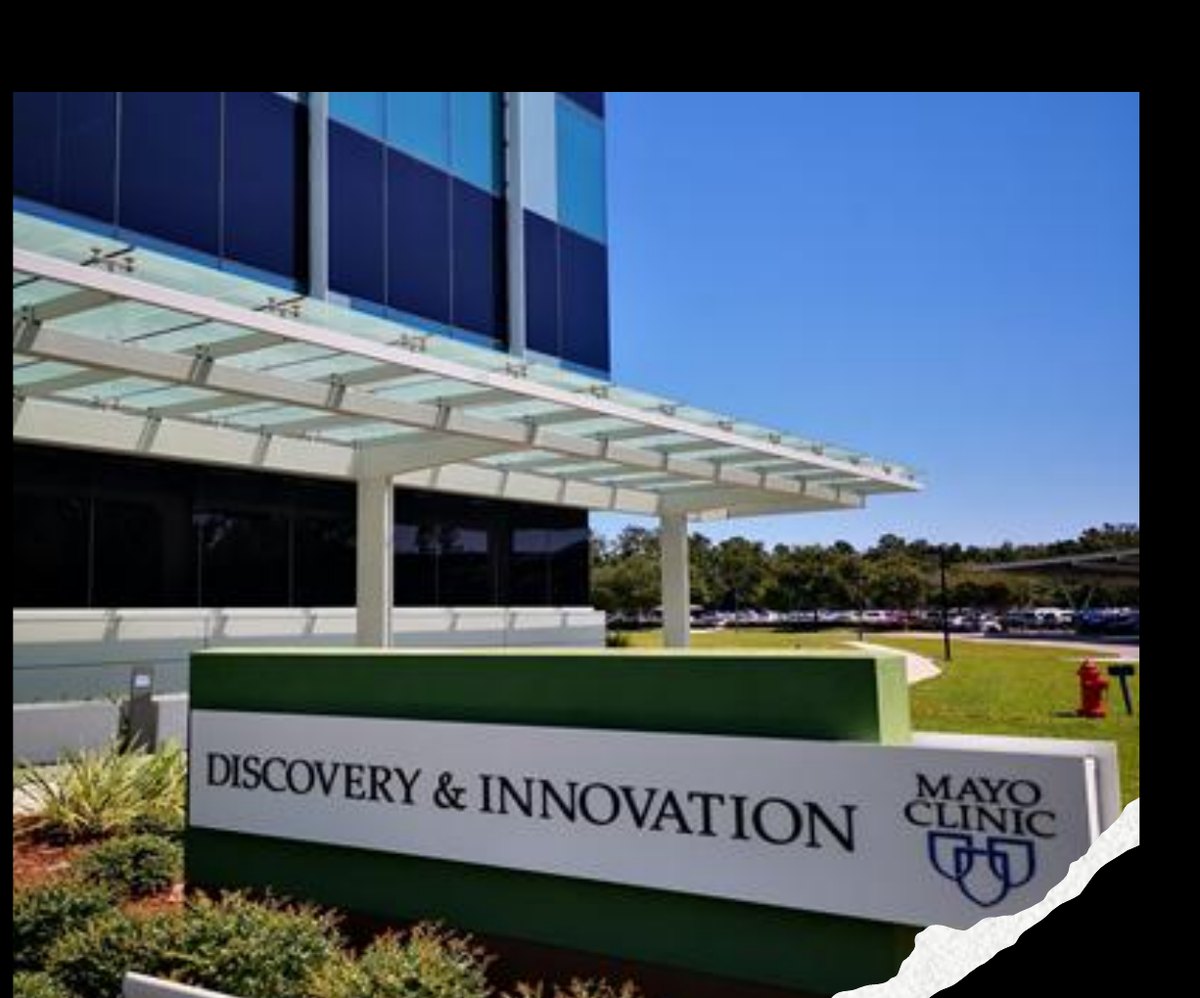
Discovery & Innovation, Jacksonville — already built, already classified.

Floor 2 is operational today. Floor 3 is 8,100 sq ft of new construction. Together they give six ISO 7 processing rooms with dedicated air handling, on-site QC, and cold chain — enough to run Mayo's current pipeline and take external work alongside it.

To be precise about the numbers below: 12,486 sq ft is the total D&I footprint across both floors. Of that, 3,579 sq ft is GMP manufacturing space (784 on floor 2, 2,795 on floor 3), with a further 3,752 sq ft of classified GMP support. The balance is QC, cold chain, offices and mechanical.

Operational

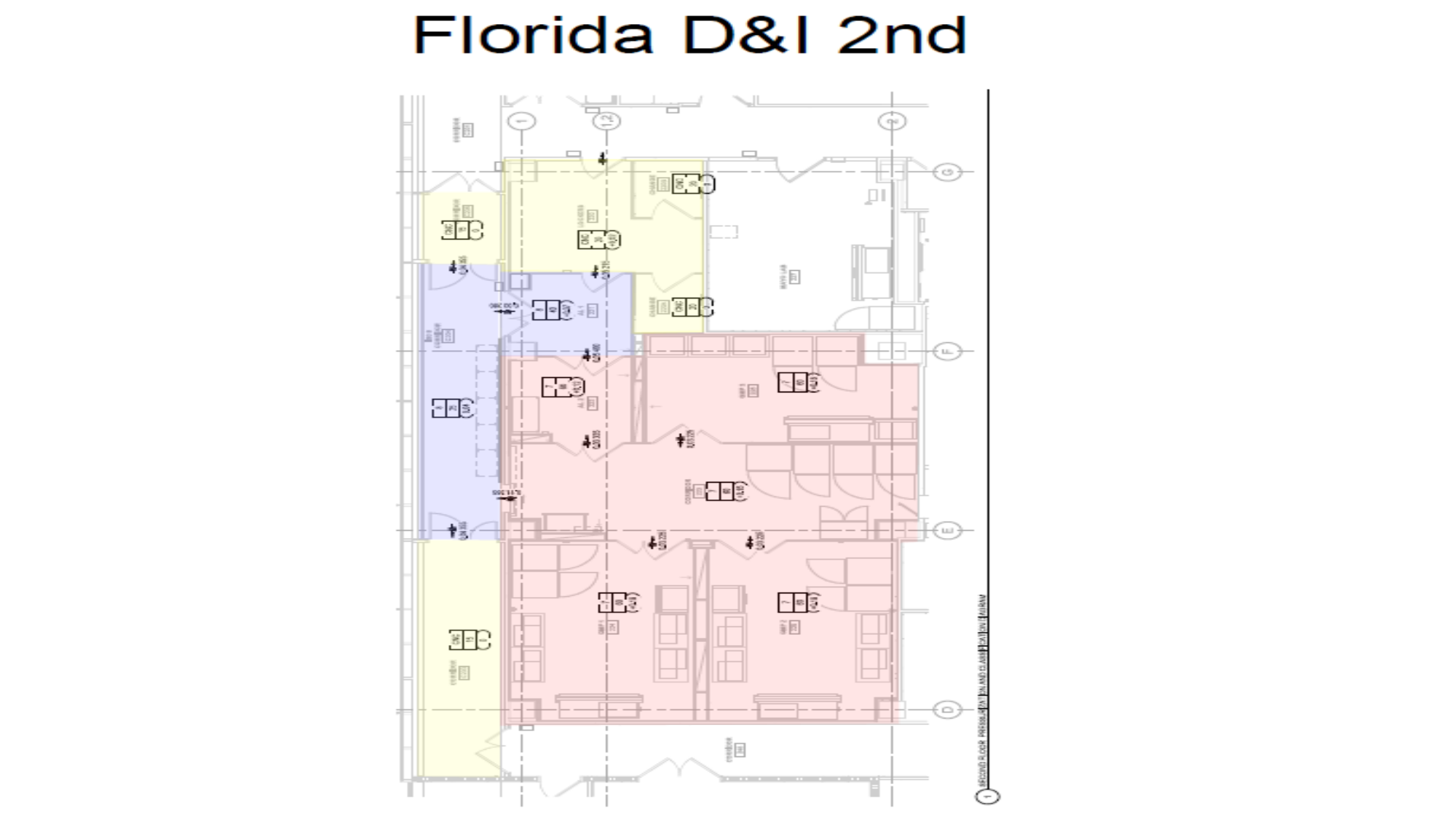
2nd Floor D&I

4,386sq ft
Second floor Discovery and Innovation floor plan, Mayo Clinic Jacksonville
SpaceISOSq Ft
GMP 1 · rm 224ISO 7272
GMP 2 · rm 225ISO 7280
GMP 3 · rm 226ISO 7232
GMP support — airlocks, gowning, MAL/PAL, corridorsISO 7/81,077
General — lab, freezer, storage, package inspection2,525
Total4,386
  • AHU‑2‑4 dedicated to GMP, N+1 supply and return fans
  • ~60 air changes per hour in GMP space
  • Air returned to AHU for further HEPA filtration
  • All HVAC on emergency power
New construction

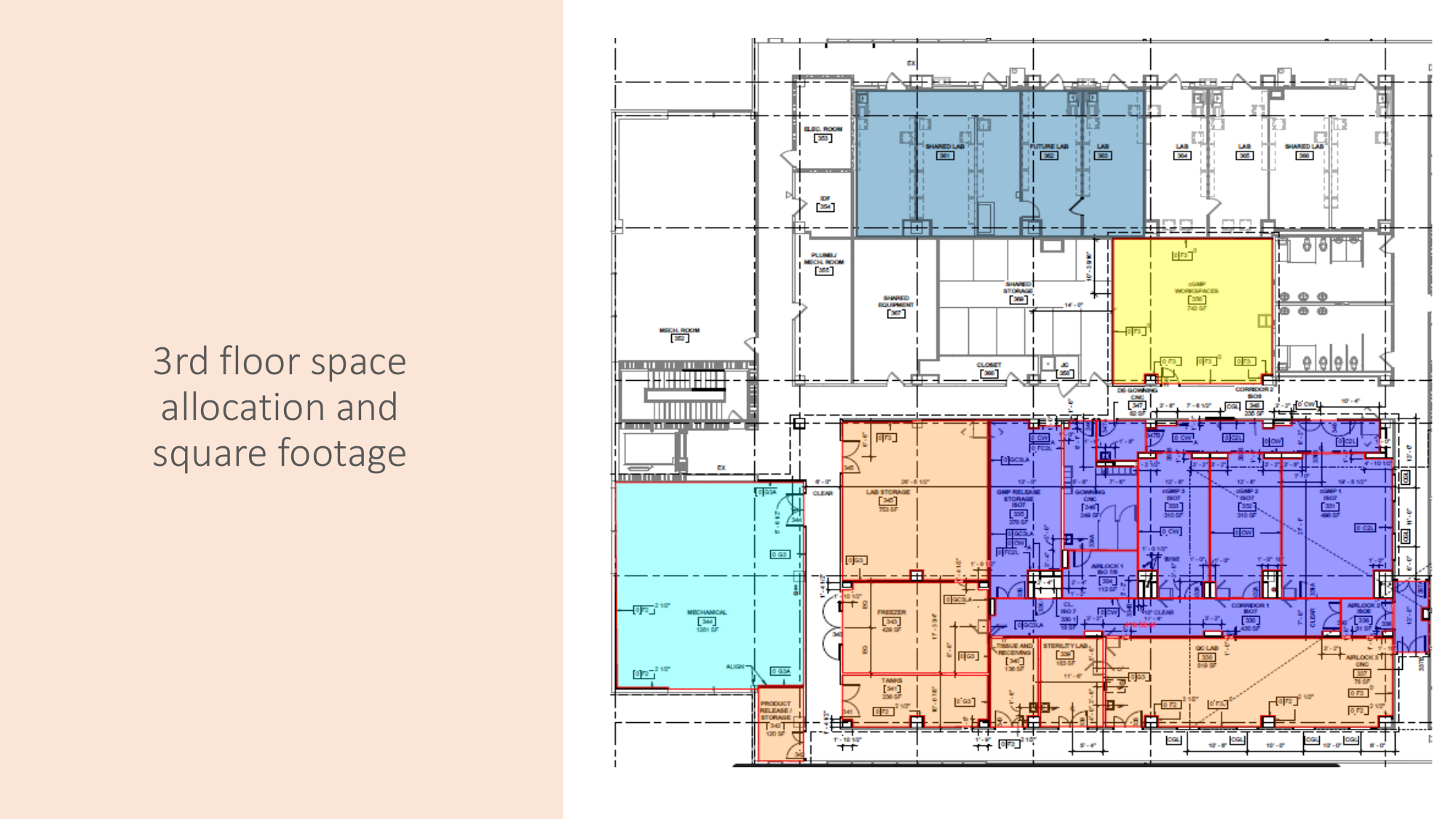
3rd Floor D&I

8,100sq ft
Third floor Discovery and Innovation floor plan and space allocation, Mayo Clinic Jacksonville
SpaceISOSq Ft
cGMP 1 · rm 331ISO 7510
cGMP 2 · rm 332ISO 7310
cGMP 3 · rm 333ISO 7310
GMP released storage · rm 335ISO 7380
QC lab · rm 338820
Sterility lab, tissue & receiving, freezer, tanks985
Corridors, airlocks, gowning, de-gowningISO 7/8/CNC1,215
Total new construction8,100
  • Fan wall, N+1 supply, 100% exhaust — no return fans
  • Minimum 60 air changes per hour
  • Rooms air-isolated from one another
  • Pre-filters quarterly; HEPAs leak-tested twice yearly

Source: CRB Facilities Overview — Florida, 18 June 2026. Room-level areas and ISO classifications as issued. MADE has completed a site walk of the 2nd floor.

The Demand

The facility already has a book of work. It is Mayo's own.

Every figure below is drawn from Mayo's own facility overview and the 4 August 2026 discussion. Nothing here is a MADE estimate. It is the reason an operating partnership is viable on day one rather than year three.

Preclinical & manufacturing programs

$2.7M

Engineered, differentiated iPSC program

Three GXP cell lines. Jun 2027 → Sep 2029. Program-level funding estimate for cell line work.

$4.5M

GMP MCB antibody-producing cell program

GMP master cell bank programme. Jun 2027 → Dec 2028.

$480K

CAR T process development

Started Jan 2026. Process development complete Q1 2027, target completion Jul 2027.

Clinical trial programs currently supported

ProgramTrial sizeAccruedFunding basis
DC vaccine program7825~$60K per run
Licensed CAR T program184~$98K per patient
DC vaccine program (2)122$28K per product
Neo-antigen vaccine program3612~$12K per patient
Cryopreserved product program184~$32K per patient
DC vaccine program (3)8527~$86K per patient
Six active studies24774173 patients still to treat

Stated CDMO requests

  • CAR T and MSC programs in clinical trials
  • Two DC vaccine products
  • A genetically engineered iPSC MCB program, not yet started
  • Re-establishment of a commercial-grade allogeneic MSC master bank — adipose-derived, for the US RECLAIM programme
~9

programs across the enterprise are being prepared as CDMO RFPs — mostly Rochester investigators, with two anticipated from Florida. The Jacksonville facility is the natural landing site for the Florida programmes and a credible one for others.

MADE – Mayo discussion, 4 August 2026

Already in flight between us

This is not a cold start. Four Mayo programmes are already live in MADE's commercial pipeline, two of them with proposals delivered.

ProgrammeStageProposal valueMADE lead
Hepatic-derived, kidney-targeted MSCProposal delivered$1,898,500Simona Jusyte
XIAP HSC gene editingProposal delivered$1,189,100Simona Jusyte
Phase III MSC master & working cell bank manufacturingEngagedSimona Jusyte
Extracellular vesicle manufacturingEngagedSimona Jusyte
Delivered to date$3,087,600

And we have read the registry

NCT03672825

RECLAIM — knee

REcycled CartiLage Auto/Allo IMplantation for the Treatment and Repair of Focal Knee Cartilage Defects. Phase I, 25 participants, Mayo Clinic sponsor. Primary completion May 2024.

NCT05553132

Hip RECLAIM

Autologous chondrocytes in their pericellular matrix (chondrons) co-implanted with allogeneic adipose-derived MSCs in a fibrin glue carrier. Phase I, 15 participants, active. Primary completion December 2026.

The adipose-derived allogeneic MSC that RECLAIM depends on is precisely the bank that is running out of dating — and precisely the bank MADE is set up to re-establish, characterise and release.

Mayo pipeline figures as presented by Mayo Clinic in the CRB Facilities Overview. Trial totals are arithmetic sums of the stated per-study values, shown for convenience rather than as a revenue forecast. Programme and proposal values are MADE's own commercial records. Trial identifiers from ClinicalTrials.gov, retrieved 9 August 2026.

The Proof

Every modality on Mayo's list is one MADE already runs — publicly, and under name.

The partnerships below are announced and on the record. Each maps to a program Mayo described on 4 August.

Mayo One-stage cartilage repair — chondrons mixed with allogeneic MSCs, single surgical procedure
Columbia University — NovaKnee
MADE selected as manufacturer for the autologous and allogeneic NovaKnee program, a first-in-class living-biologic total knee.
Mayo Commercial-grade allogeneic MSC master bank, adipose-derived
RoosterBio — strategic technology and supply partnership for scalable MSC and extracellular-vesicle manufacturing, including pre-banked, fully characterised bone-marrow and adipose-derived banks.
Cytora Therapeutics & Zeo ScientifiX — partnership to manufacture and commercialise an allogeneic stem cell therapy.
Mayo MSC-derived extracellular vesicles from placental chorionic-plate cells
RoosterBio — the same partnership covers EV manufacturing, and Mayo's own process already runs on RoosterBio media and EV-Collect. MADE is commissioning 3D micro-carrier production in an Eppendorf BioFlo 320 platform.
Mayo Engineered, differentiated iPSC program — three GXP cell lines
Pluristyx — integrated iPSC development and manufacturing partnership, including sub-licensable research-use and clinical iPSC lines and an iPSC-derived iMSC line.
Mayo CAR T process development and a licensed CAR T program in trial
Hemogenyx Pharmaceuticals (HG-CT-1, autologous CAR T for AML) · Syenex (lentiviral vector expression) · CellFe (non-viral gene editing) · Basilard Biotech (ex-vivo gene delivery).
Mayo Allogeneic Phase I/II supply and first-in-human programs
Sentinel Biotherapeutics — Phase I/II allogeneic encapsulated cell therapy. Cellergy Therapeutics — first-in-human mitochondrial therapy. Regenicin — NovaDerm toward FDA approval.
~120
employees, up from ~60
~20
active customer programs
Annex 1
FDA and EMA compliant, Princeton
Q1 2027
anticipated FDA inspection, commercial cell therapy

MADE is in active tech transfer and PPQ for a recently approved commercial cell therapy, with an anticipated US FDA facility inspection as part of the post-approval supplement pathway no later than Q1 2027 — which would place MADE among a very small number of US CDMOs manufacturing an approved cell therapy. Client name withheld pending public disclosure.

Inside MADE

Princeton, New Jersey — the site your programs graduate to.

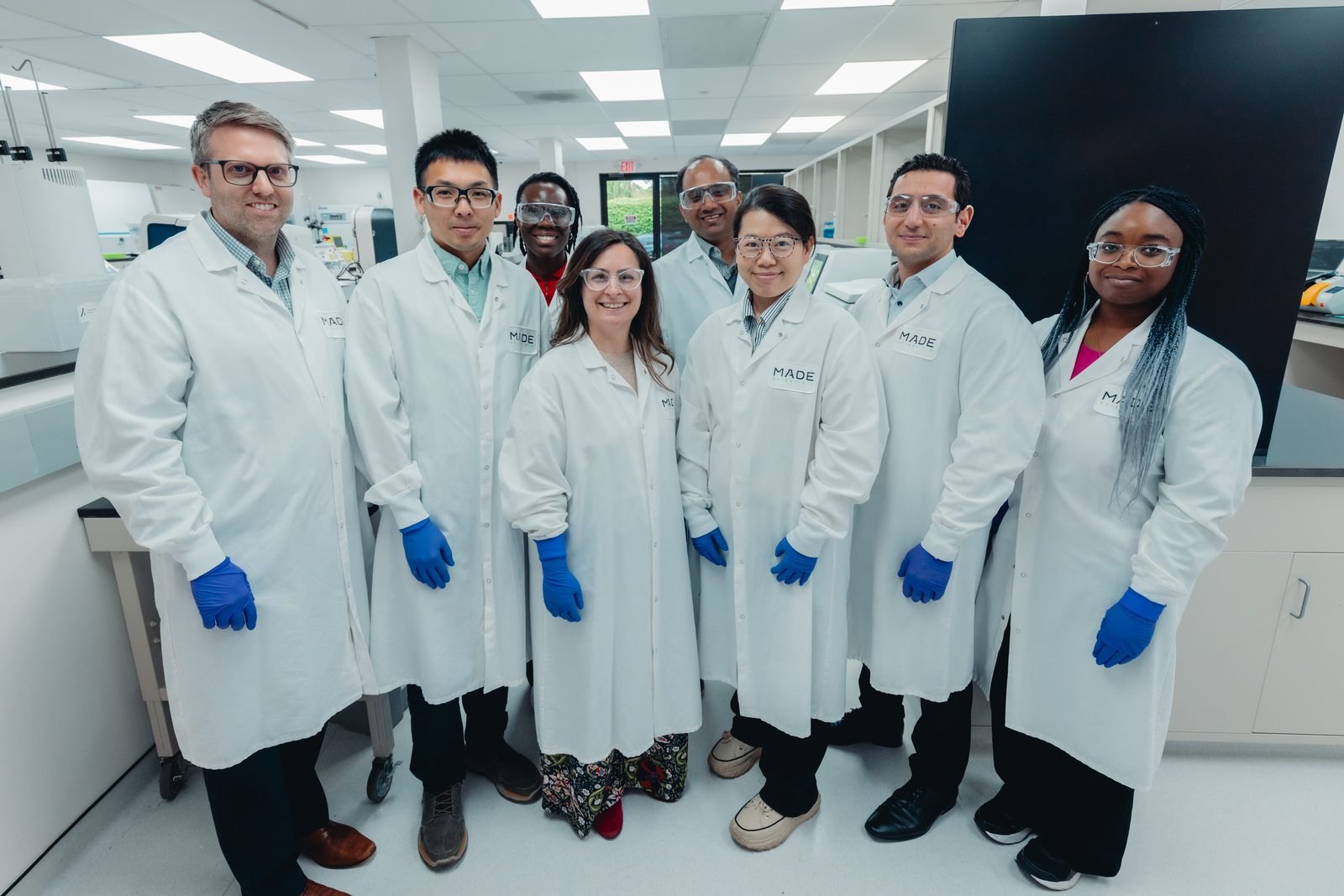
60,000 sq ft, five Grade B cleanroom suites, FDA and EMA Annex 1 compliant. Around 120 staff running roughly 20 active customer programs.

Facility tour · 3 min 39 s Corporate overview (PDF)
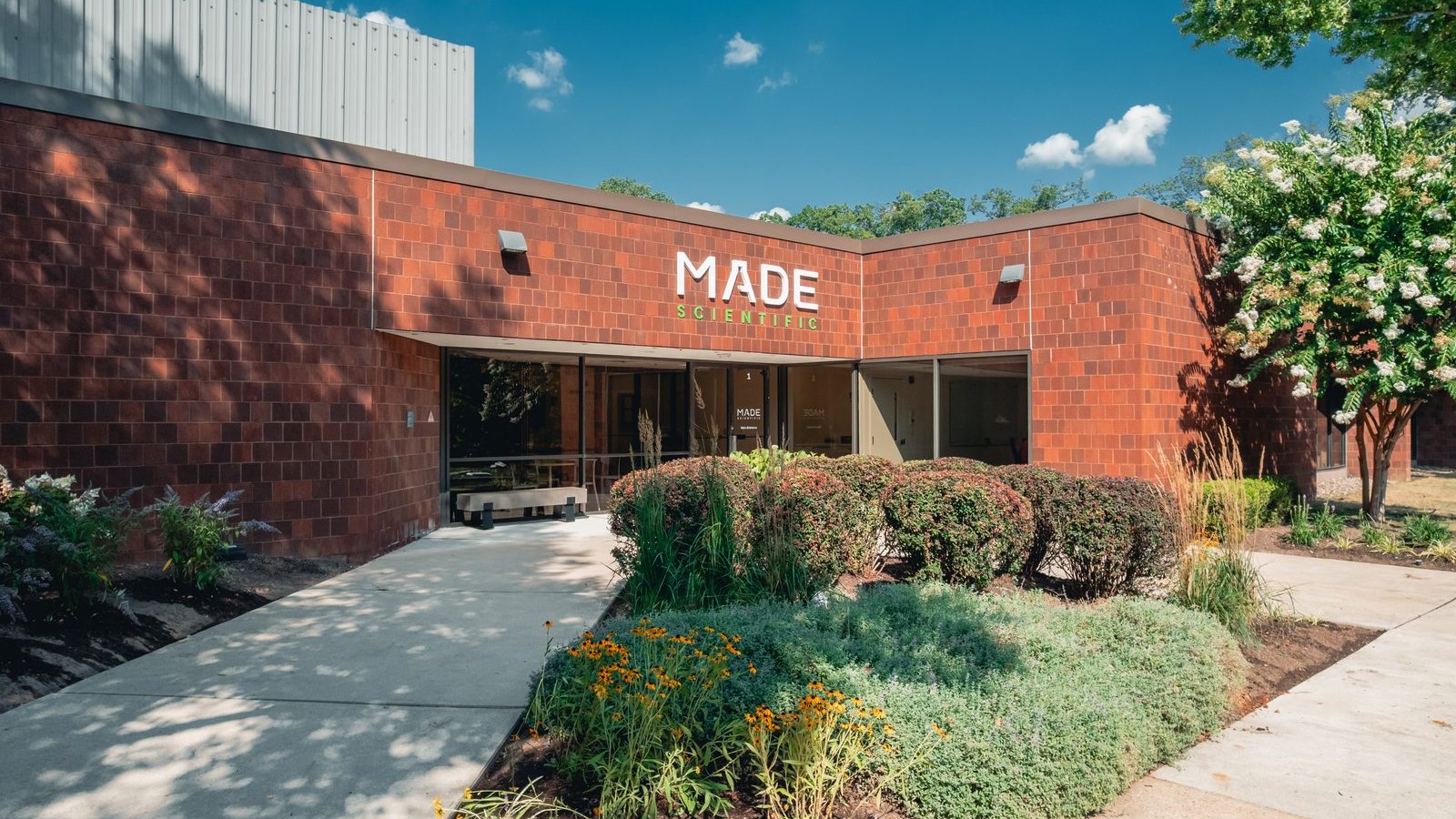
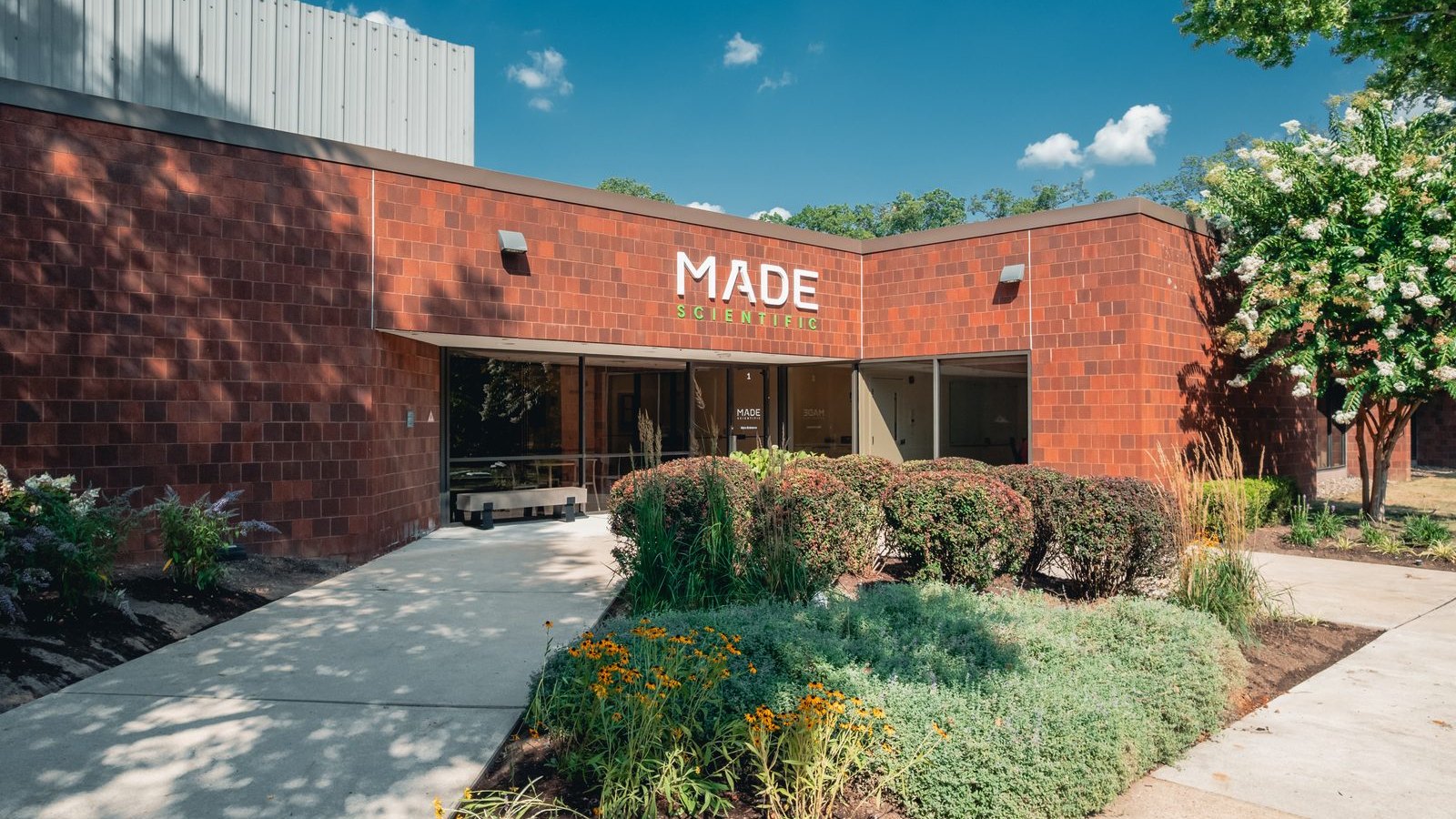
MADE Scientific Princeton facility exterior
201 College Road East, Princeton
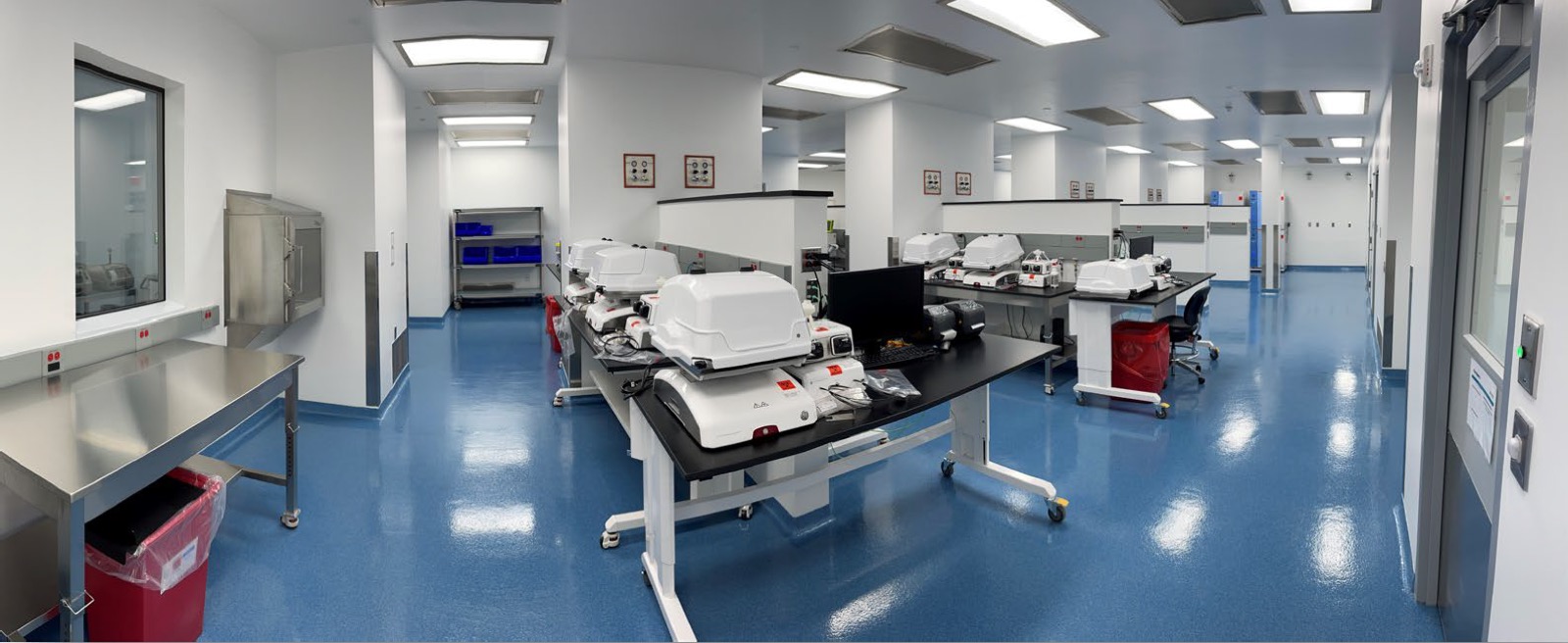
MADE Scientific facility interior
Reception and office
Cleanroom corridor
Classified corridor
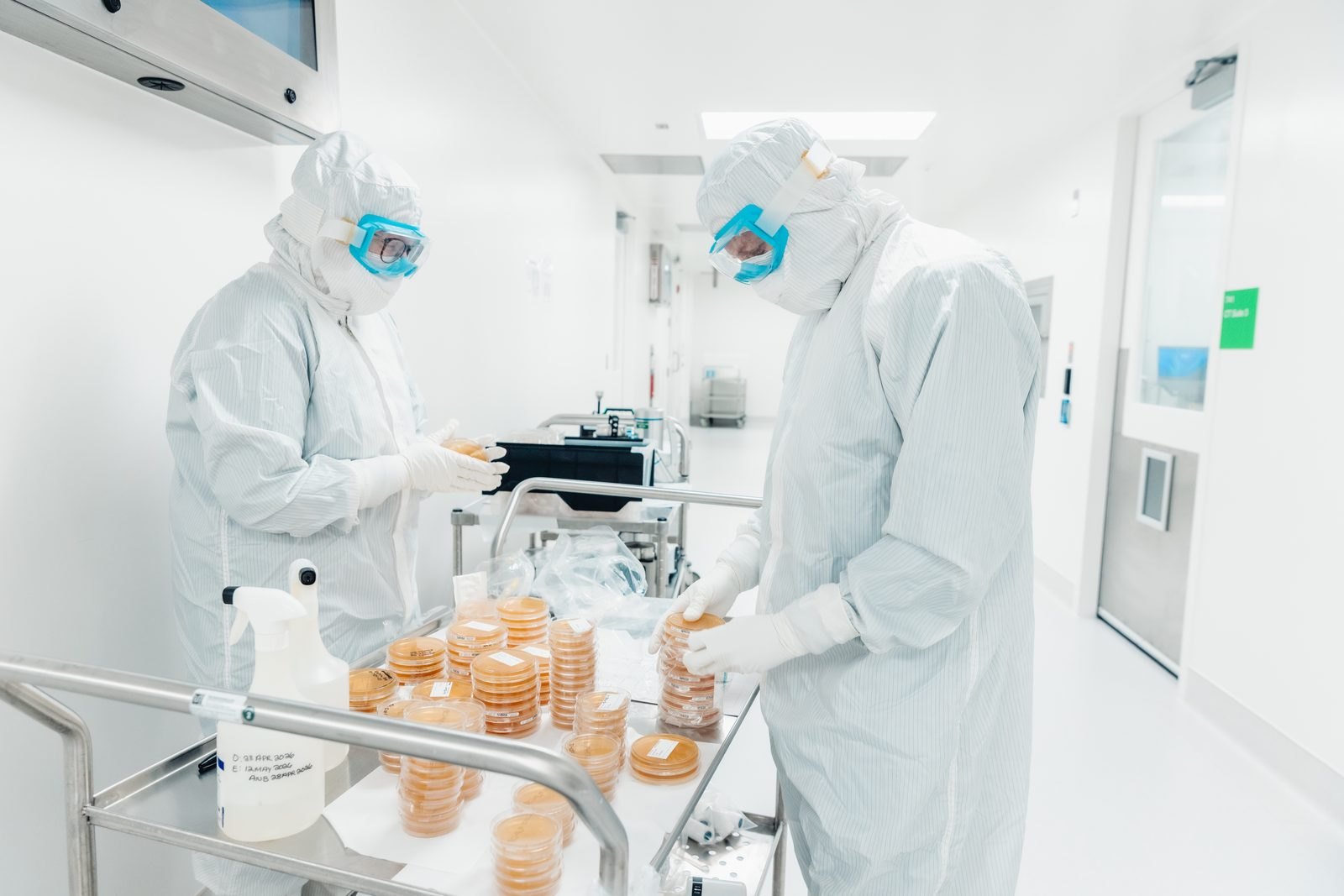
Gowned operators in a processing suite
Processing suite
Operators loading an incubator beside a CliniMACS Prodigy
Incubator load — CliniMACS Prodigy at left
Aseptic processing in a biosafety cabinet
Aseptic processing
Quality control laboratory
QC laboratory
Analytical instrumentation
Analytical development
Cold chain and cryogenic storage
Cold chain and cryostorage
The Structure

Three ways to do this. One we would recommend starting with.

These are not mutually exclusive endpoints — they are entry points. The structures below are ordered by how much balance sheet each party carries, and how quickly the arrangement can be stood up.

Option 1

Management services agreement

Mayo retains the asset and the lease. MADE operates the facility under a management agreement.

MADE provides
Quality unit, MSAT and manufacturing leadership, quality systems, SOP library, environmental monitoring programme, audit and inspection readiness.
Commercial shape
Fixed annual management fee plus pass-through operating cost.
Speed to stand up
Fastest — no asset transfer, no lease novation.
Exit
Cleanest. Mayo retains the facility throughout.
Trade-off
Mayo continues to carry facility fixed cost and utilisation risk.
MADE recommendation
Option 2

Anchor-tenant operating partnership

MADE assumes operation of the D&I GMP space and runs it as a MADE site. Mayo commits its pipeline as anchor demand at agreed rates; MADE fills residual capacity with external programs.

MADE provides
Full operation, staffing, quality ownership, capital for fit-out where required, and external demand to fill the facility.
Commercial shape
Mayo pays program rates rather than facility overhead. MADE carries utilisation risk and monetises spare capacity.
Speed to stand up
Moderate — requires lease and staffing arrangements.
Exit
Defined term with agreed reversion.
Why we recommend it
It is the only structure where Mayo's fixed cost becomes variable, MADE's utilisation problem is solved by Mayo's own pipeline, and the 3rd floor build-out has a business case behind it. It also preserves the campus adjacency investigators care about.
Option 3

Joint venture

A shared operating entity with shared capital, shared economics, and shared upside on the 3rd-floor expansion.

MADE provides
Operating capability, network access, commercial pipeline, and co-investment.
Commercial shape
Shared P&L; economics tied to facility performance rather than fee.
Speed to stand up
Slowest — entity formation, governance, and board approval on both sides.
Exit
Most complex.
Trade-off
Strongest alignment and the best long-run story — but it should follow a period of operating together, not precede it.

A sensible sequence

Begin with Option 1 or a short Option 2 pilot scoped to a defined set of programs — the MSC master bank and one clinical program are the obvious candidates. Use that period to establish the quality interface, prove the release path, and build a real cost base. Convert to full anchor-tenant once the 3rd floor comes online, and revisit a joint venture only when both parties are operating from evidence rather than projection.

Commercial structures are presented for discussion. No pricing, fee level, or term is proposed in this document; those follow the RFP and a joint costing exercise.

Transition

The first 180 days, designed around not interrupting a single patient.

Seventy-four patients are already accrued across six active studies. Continuity is the governing constraint on every decision below.

Days 0–30

Assess and stabilise

  • Joint quality assessment of the 2nd floor: SOPs, EM data, deviations, open CAPAs
  • Program-by-program review with each investigator, starting with active trials
  • Staffing map — who stays Mayo, who transfers, who MADE adds
  • Gap list against MADE's quality system, with owners and dates
Days 30–90

Assume operations

  • Quality agreement and defined release path executed
  • MADE quality unit on site; document control and training migrated
  • No change to in-flight trial processes — run as-is under the new quality umbrella
  • Regulatory notifications and site-change assessments filed as required
Days 90–180

Improve and extend

  • MSC master bank program initiated — donor screen, characterisation, viral safety
  • 3rd-floor commissioning and qualification plan agreed
  • First external program onboarded into residual capacity
  • Graduation criteria defined for programs heading to Princeton

Non-negotiables we would hold ourselves to

No gap in supply

No active trial changes process, site, or release path during transition. Improvements come after continuity is proven, not during.

Investigators keep their contact

Each program keeps a named technical owner through the transition. PIs should notice better responsiveness, not a new vendor process.

Mayo keeps oversight

Joint governance with Mayo quality and biotherapeutics leadership, with agreed escalation and audit rights from day one.

The Team

Who you would be working with.

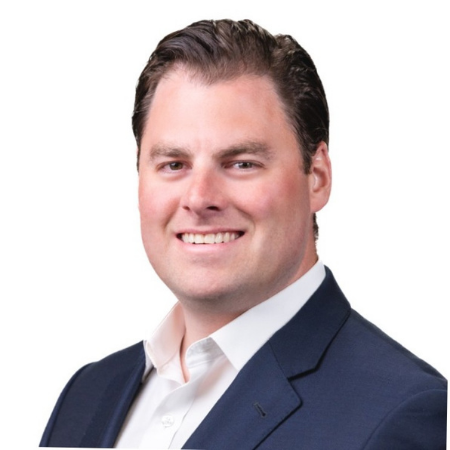
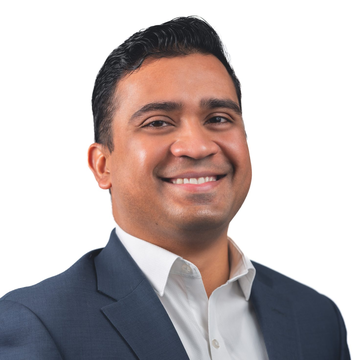
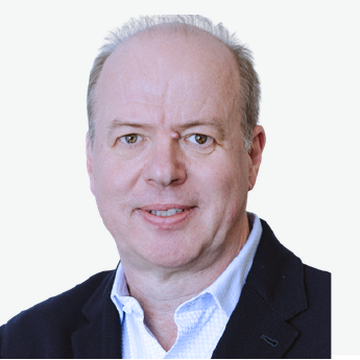
Syed T. Husain

Syed T. Husain

Chairman & Chief Executive Officer
MADE Scientific

Joined September 2024 to rebuild and refocus the organisation on cell therapy. EY Entrepreneur of the Year 2026 finalist, New Jersey.

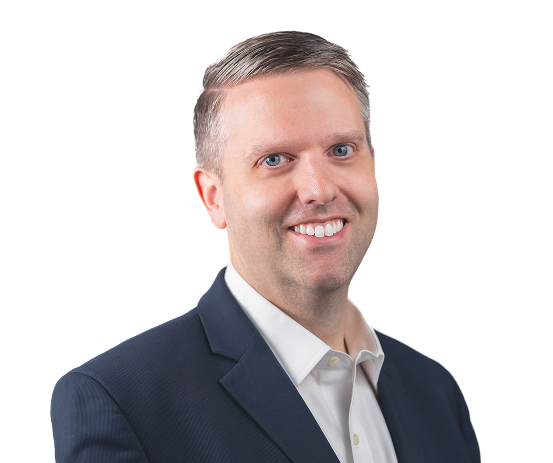
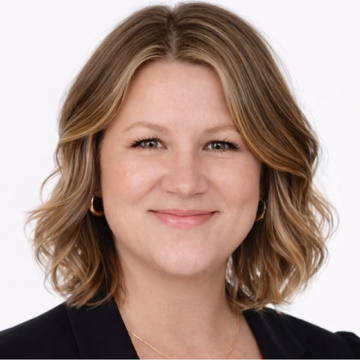
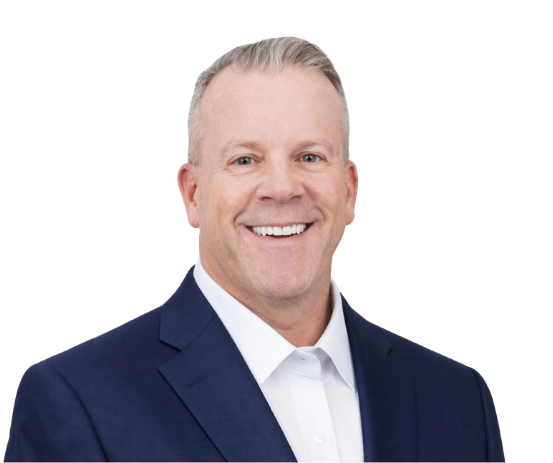
Joseph Sinclair

Joseph Sinclair

Head of Commercial
MADE Scientific

Fifteen years in the CDMO industry. Leading the Jacksonville due diligence and the Mayo relationship.

joseph.sinclair@madescientific.com

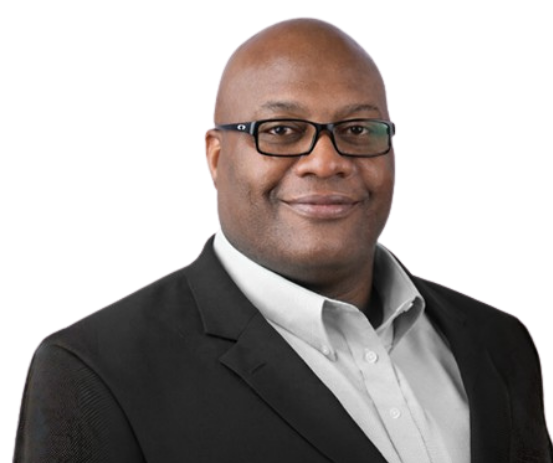
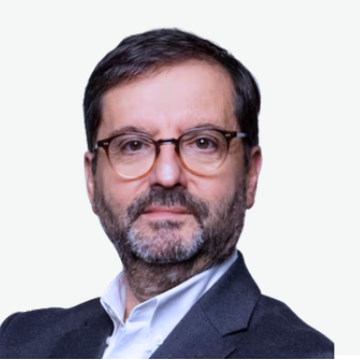
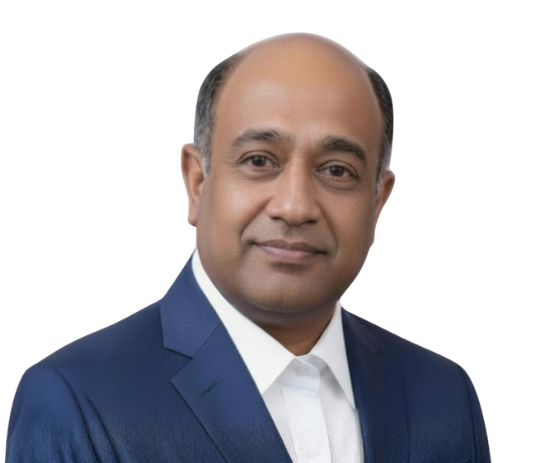
David Smith, PhD

Head of Development
MADE Scientific

Fifteen years in CDMO cell therapy; doctorate in cell therapy manufacturing. Three and a half years at MADE.

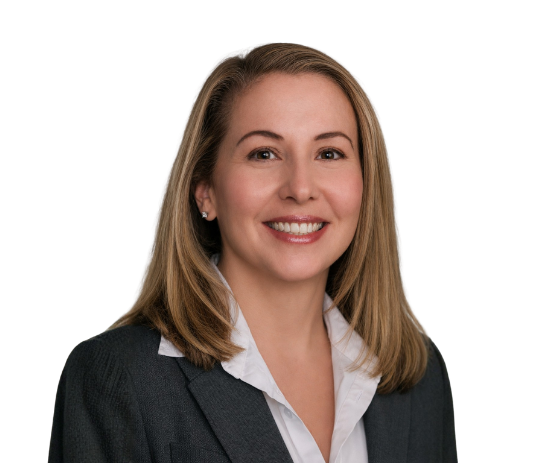
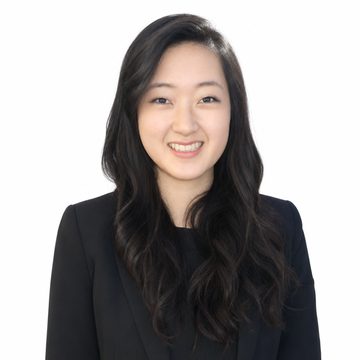
Simona

Senior Director, Commercial
MADE Scientific — East Coast & Europe

Supporting the East Coast and European commercial territories.